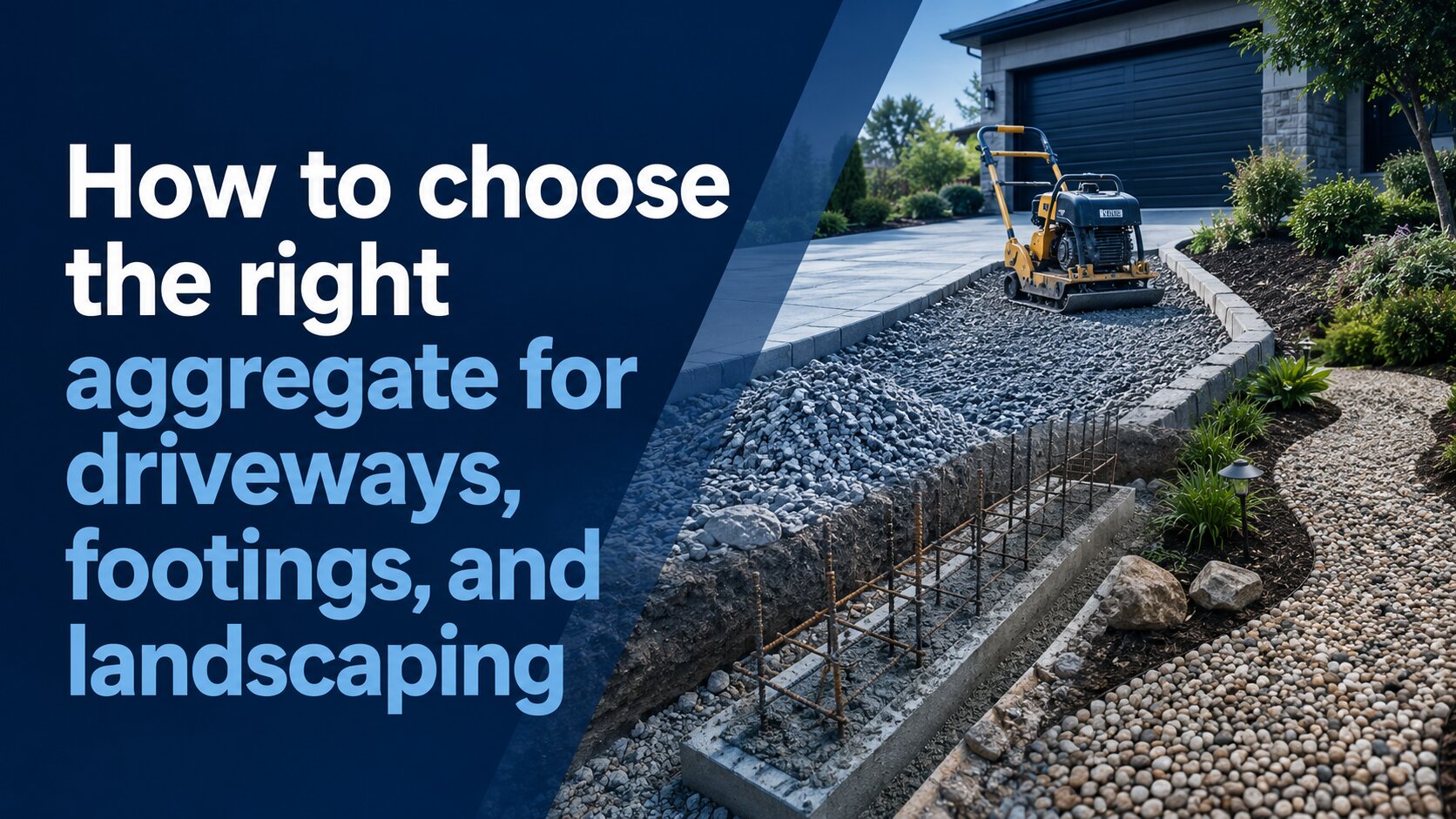

Figuring out how to choose the right aggregate can feel like trying to decipher a secret language. One minute you’re looking at your muddy driveway thinking it needs a top-up, and the next you’re lost in a sea of “Type 1”, “crushed concrete”, and 20mm shingle. Suddenly, everyone’s an expert, and your mate Dave swears you just need to chuck some sharp sand on it and hope for the best.
The truth is, picking the right aggregate is about matching the material to its purpose, load, and drainage needs. Get it wrong, and you could end up with a driveway that resembles a ploughed field after the first heavy rain. Get it right, and your project will look great and last for years.
Whether you’re a self-builder laying foundations or a homeowner planning a new patio, this guide will help you navigate the options. At Mason Trucking, we supply and deliver aggregates across Essex, London, and the eastern counties, so we know a thing or two about getting the groundwork right.
What we mean by “aggregates”
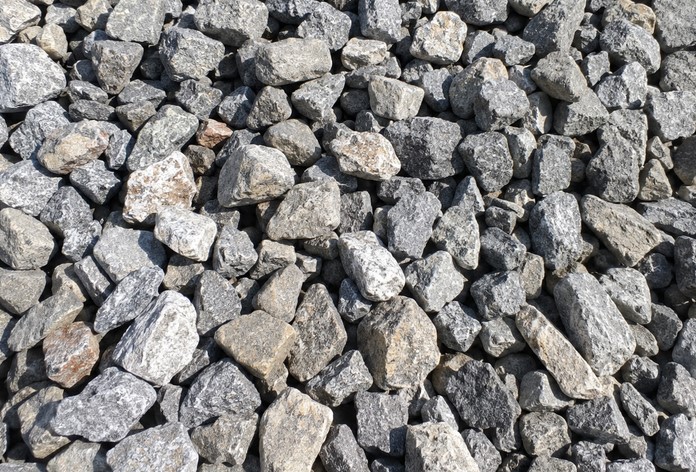
In the construction world, aggregate simply refers to crushed stone, gravel, sand, or recycled materials used to create strong bases and decorative finishes.
Size is everything when it comes to aggregate. You’ll often see numbers like 10mm, 20mm, or 40mm. This refers to the “grading”—the size of the stones in the mix. Some aggregates contain “fines” (dust and small particles), which help the stones lock tightly together when compacted. Others are “clean”, meaning the fines have been washed away, leaving gaps that allow water to drain through.
A good rule of thumb? If you need a solid base that won’t budge (like a sub-base), you want an aggregate that compacts and interlocks. If you want a decorative finish or need good drainage, you want a clean aggregate.
Key factors before you order anything
Before you start filling your online basket or calling for a delivery, run through this quick checklist:
- Intended use: Is this for heavy cars, light foot traffic, or just to look pretty in a border?
- Ground conditions: Do you have heavy clay that holds water, or free-draining sandy soil?
- Finished surface: Are you laying block paving, tarmac, resin, or leaving it as loose gravel?
- Required depth: Skimping on the depth of your sub-base is a false economy. It will fail.
- Recycled vs primary: Do you need brand-new quarried stone, or will a sustainable recycled option do the job perfectly well?
Aggregate for driveways (UK): what works best and why
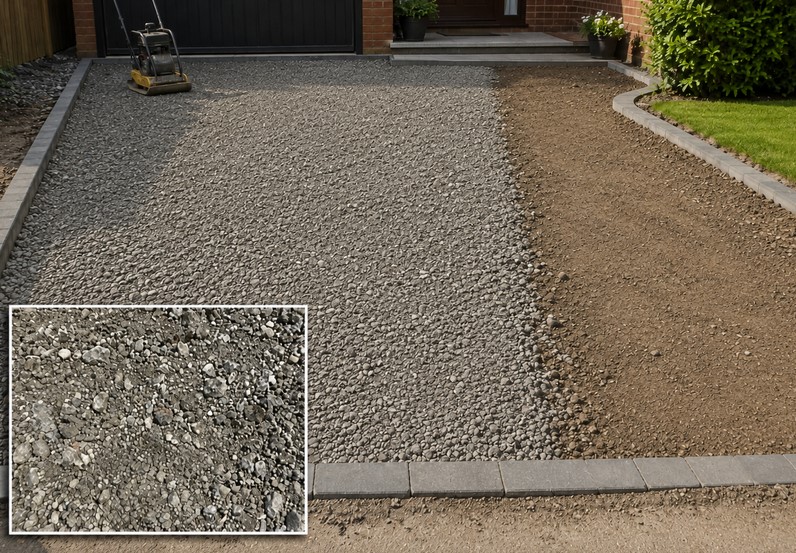
When people search for aggregate for driveways UK, they’re usually asking about two different things: the hidden sub-base that gives the driveway its strength, and the visible surface layer.
For the sub-base, MOT Type 1 is the gold standard. It’s a mix of larger stones and fines that compacts down to form a solid, load-bearing surface. Type 2 can sometimes be used, but Type 1 is generally the safest bet for driveways. Check our blog.
For the top layer of a gravel driveway, you want an angular stone, usually around 20mm. Why angular? Because the jagged edges lock together under the weight of a car. If you use rounded pea shingle, it’s like driving on marbles—your car will sink, and the gravel will end up halfway down the street.
To stop your driveway from migrating into your lawn, make sure you use solid edge restraints. You should also lay a geotextile membrane under the sub-base to stop weeds coming up and stop the aggregate sinking into the mud.
Best aggregate for footings
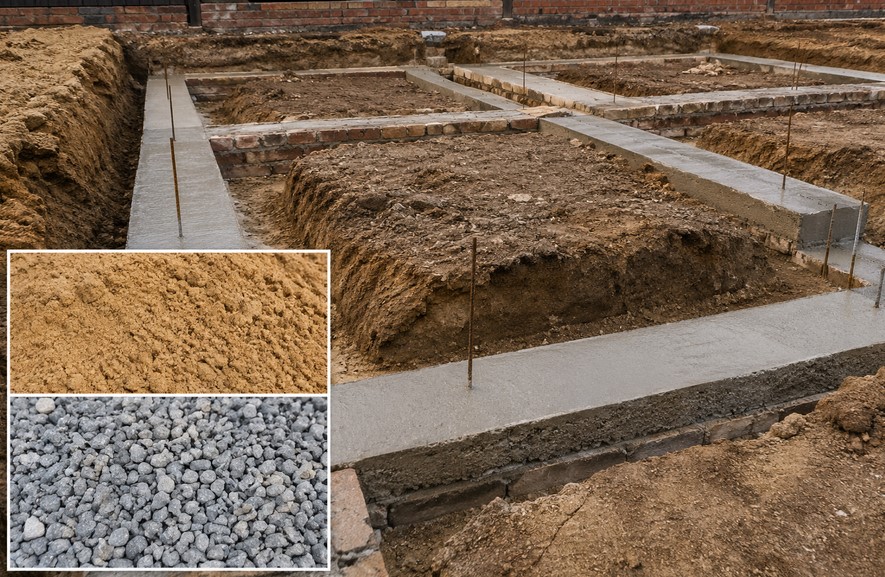
Getting the foundations right is the most critical part of any build. When looking for the best aggregate for footings, you need materials that offer predictable compaction and a stable base.
Usually, footings involve a compacted sub-base, perhaps a blinding layer (a thin layer of sand or fine aggregate to create a clean, level surface), and the concrete mix itself, which requires specific ratios of ballast or sharp sand.
Because footings carry the structural weight of your building, this isn’t the time to guess. Always follow the specifications provided by your structural engineer or building control officer. Once you know exactly what you need, we can supply the right material and coordinate delivery to keep your site moving.
Aggregate for landscaping
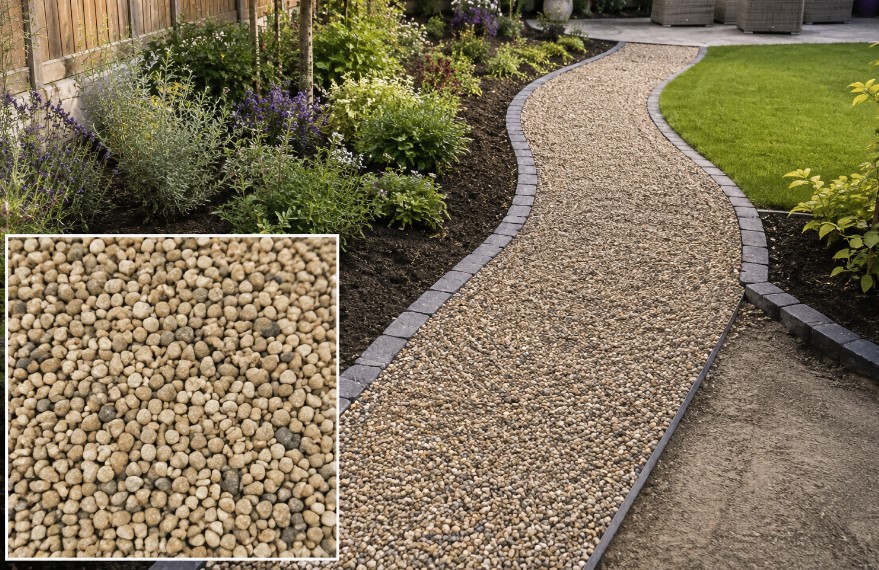
Landscaping projects require a different approach. If you’re laying a patio, you’ll need a solid sub-base (like MOT Type 1) followed by a bedding layer (often sharp sand and cement).
For decorative garden paths, 10mm or 14mm gravel works well as it’s easier to walk on than larger stones. If you’re tackling drainage issues, you’ll need clean, washed aggregates (like 20mm or 40mm shingle) that allow water to flow freely into soakaways or French drains.
Recycled vs primary aggregates
At Mason Trucking, we produce our own recycled aggregates and soils at our Environment Agency–approved recycling plant in Marks Tey.
Recycled aggregates, such as crushed concrete or hardcore, are a brilliant, sustainable, and often cost-effective alternative to primary (quarried) aggregates. They are widely used for sub-bases in driveways, patios, and general construction.
While primary aggregates are sometimes required for very specific high-spec jobs, recycled options are more than capable of handling most standard domestic and commercial groundwork requirements.
How much aggregate do you need?
Working out how much you need can cause headaches, but the basic maths is fairly simple: multiply your length by your width, and then by your depth. This gives you your volume in cubic metres (m³).
For example: a driveway that is 10m long, 5m wide, and needs a 0.15m (150mm) sub-base would be 10 x 5 x 0.15 = 7.5m³.
To convert this to tonnes, you generally multiply the cubic metres by the bulk density of the material (which is often around 1.8 to 2.0 for compacted sub-bases, but it varies). If you’re unsure, just give us your measurements and we’ll help you calculate the right amount.
Delivery and access tips
Getting the aggregate to your site is only half the battle; getting it exactly where you need it is the other.
We operate a fleet of grab vehicles and rigid HIAB vehicles (with crane-assisted lifting up to 5 ton). If access is tight, or you need material lifted over a wall or fence, a grab lorry is a lifesaver. Plus, grab hire means we can deliver your aggregate and take away your excavated muck in the same trip, saving you time and hassle.
Always consider access constraints before ordering. Think about narrow lanes, overhead cables, and turning space. If in doubt, have a chat with our team.
Frequently asked questions
What’s the best sub-base aggregate for a driveway in the UK?
MOT Type 1 is the most common and reliable sub-base for driveways. It compacts tightly to create a strong, load-bearing layer.
What aggregate size is best for a gravel driveway—10mm or 20mm?
We recommend 20mm angular gravel for driveways. Smaller 10mm gravel easily gets stuck in tyre treads, while 20mm stays put much better.
Do I need a membrane under a gravel driveway or patio base?
Yes, a geotextile membrane is highly recommended. It separates the sub-base from the soil, preventing your aggregate from sinking into the mud while allowing water to drain.
Is recycled aggregate suitable for driveways and bases?
Absolutely. High-quality crushed recycled hardcore is a sustainable and cost-effective option for driveway and patio sub-bases.
What’s the difference between MOT Type 1 and Type 2?
MOT Type 1 contains a wider range of stone sizes, including larger chunks, which interlock tightly for maximum strength. Type 2 contains more fines and smaller stones, which can be less stable under heavy loads.
What is the difference between coarse aggregates and fine aggregates, and what are they used for?
Coarse aggregates are larger particles, typically ranging from 4.75mm to 80mm in size, made from materials such as gravel, crushed stone, or recycled concrete. They are primarily used in concrete mixes, providing strength and stability to structures, as well as in the construction of roads, bridges, and foundations.
Fine aggregates, on the other hand, are smaller particles, usually less than 4.75mm in size, made from natural sand, crushed stone, or manufactured sand. These fine materials are essential for filling voids between coarse aggregates in concrete and asphalt mixes, ensuring a smooth finish and improving workability. Together, coarse and fine aggregates form the backbone of most construction projects.
How deep should my sub-base be for a driveway?
For a standard domestic driveway, you generally need a sub-base depth of around 150mm, laid in layers and compacted thoroughly.
Can you deliver and place aggregate with a grab lorry?
Yes, our grab vehicles can lift aggregate over small walls and fences, placing it closer to where you need it, which saves you hours of wheelbarrowing.
What aggregate should I use for drainage in the garden?
You need a clean, washed aggregate with no fines, such as 20mm or 40mm shingle, to allow water to filter through easily.
How do I stop gravel from spreading onto the pavement?
Installing a solid edge restraint, such as block paving edges or timber sleepers, is the best way to keep your gravel contained.
Can you remove excavated spoil as well as deliver aggregate?
Yes, our grab hire service can deliver your new aggregate and take away your waste soil or hardcore in the same visit.
Get your groundwork right with high quality aggregates from Mason Trucking
Choosing the right aggregate is about understanding the specific needs of your project, whether it’s load-bearing strength, drainage, or visual appeal. Get the foundations right, and the rest of the job will follow smoothly.
If you’re planning a project in Essex, London, or the eastern counties and need reliable supply and delivery, we can help. From recycled MOT Type 1 to decorative shingle and grab hire, we’ve got the materials and the vehicles to keep your site moving.
Give us a call for a no-obligation quote or just some friendly advice on your next project.