
Aggregates are the unsung heroes of any solid build. You rarely see them once the project is finished, but if you get them wrong, you will certainly know about it. No one wants a patio that wobbles or a driveway that behaves like a trampoline after a heavy downpour.
If you are gearing up for a landscaping or building project, you have probably run into a wall of confusing jargon. Builders merchants and contractors casually throw around terms like MOT Type 1, ballast, and sharp sand, expecting everyone to know exactly what they mean. For most homeowners and DIYers, it just sounds like another language.
That is exactly why we put this guide together. As a family-run haulage and grab hire company with 14 years in the trade, we deliver aggregates and soils across Essex every single day. By the end of this post, you will know exactly what each material does, which one your project actually needs, and how to get it delivered without the faff.
What are aggregates (and why do they matter)
In simple terms, aggregates are granular materials used in construction. The category covers everything from coarse aggregate like crushed stone and gravel to fine sand and recycled concrete.
They provide the vital bulk, strength, and stability needed for almost every landscaping and building job. You will find them acting as a sturdy sub-base under your new driveway, mixed with cement to create concrete, or aiding drainage around underground pipes. Getting your head around the basic types of aggregates UK builders use will save you time, money, and plenty of headaches.
What’s the difference between primary and secondary aggregates?
Primary aggregates
Primary aggregate materials sourced directly from natural deposits such as quarries, including gravel, sand, and crushed stone. They are extracted and processed with minimal alteration to meet specific construction requirements.
Secondary aggregates
On the other hand, secondary aggregates are recycled materials derived from waste products, such as crushed concrete, brick, or asphalt. These are obtained through reprocessing construction or demolition waste, making them a more sustainable and environmentally friendly option for various projects.
Both types serve essential roles, but the choice often depends on cost, availability, and project-specific needs.
Different types of aggregates: the main materials you’ll actually use
To make things easy, we have broken down the most common construction aggregates we supply and deliver. Here is your cheat sheet.
MOT Type 1 (sub-base)
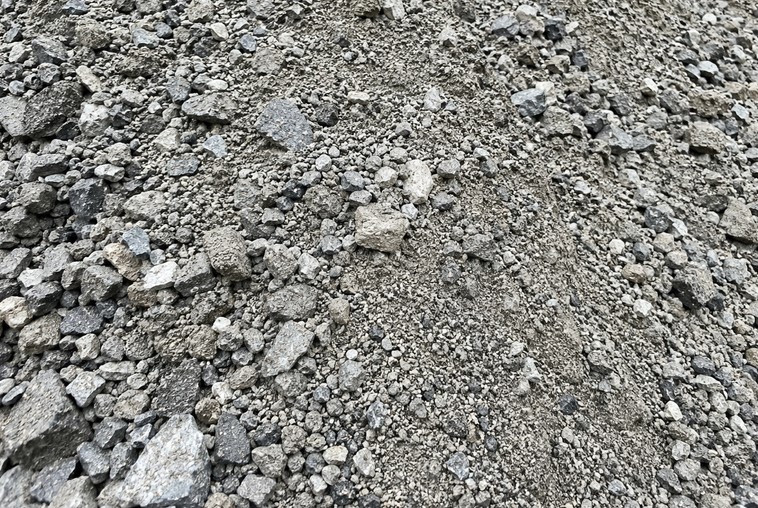
- What it is: A mixture of crushed stone or concrete ranging from 40mm chunks down to dust.
- Best for: The primary sub-base for driveways, patios, and pathways. The mix of sizes means it locks together perfectly when compacted.
- When to avoid: Areas that need free-draining materials. The fine dust in Type 1 blocks water from passing through easily.
- Pro tip: Always hire a wacker plate. You cannot properly compact MOT Type 1 by simply jumping up and down on it.
Type 3 sub-base (drainage-friendly)
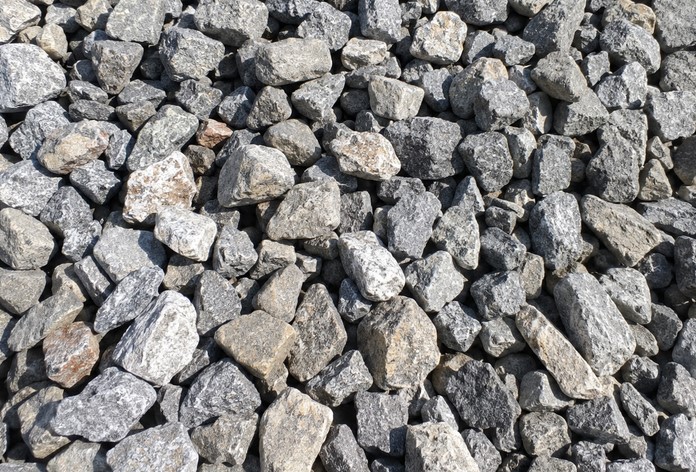
- What it is: Similar to Type 1, but with the fine dust removed.
- Best for: Permeable paving, artificial grass bases, and areas where you need water to drain away quickly.
- When to avoid: General heavy-duty load-bearing areas where strict compaction and moisture retention aren’t an issue.
- Pro tip: If you are building a modern, eco-friendly driveway that needs to comply with sustainable drainage systems (SuDS), Type 3 is your best friend.
Ballast
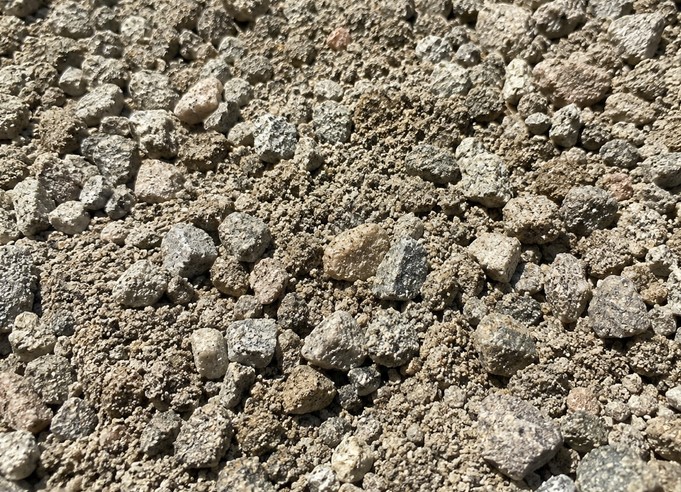
- What it is: A coarse blend of sharp sand and small gravel (usually 10mm or 20mm).
- Best for: Mixing with cement and water to make standard concrete for foundations, footings, and fence posts.
- When to avoid: Laying block paving or brickwork. The stones make it impossible to get a smooth, level finish.
- Pro tip: The standard ballast mix ratio for basic concrete is usually 1 part cement to 5 parts ballast, but always check the requirements of your specific job.
Sharp sand
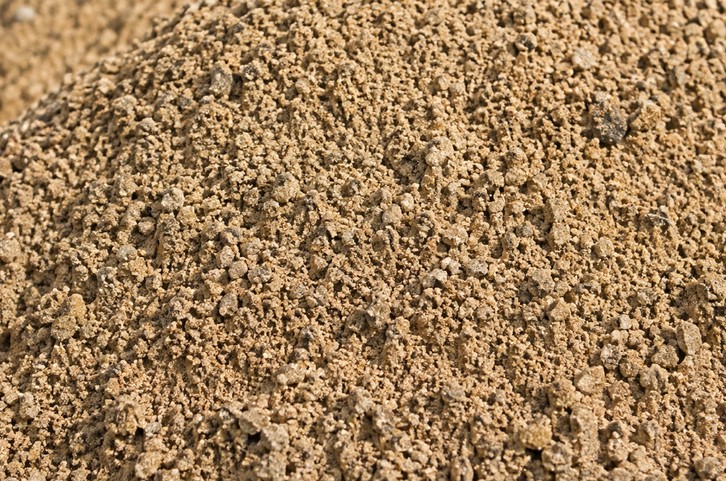
- What it is: A gritty, coarse sand with jagged particles.
- Best for: Laying paving slabs, block paving, and mixing floor screeds. The jagged edges bind together well.
- When to avoid: Bricklaying or rendering. It is too coarse and won’t give you a smooth, workable mortar.
- Pro tip: Sharp sand drains well, making it a great base layer for your patio slabs to sit on.
Building sand (soft sand)
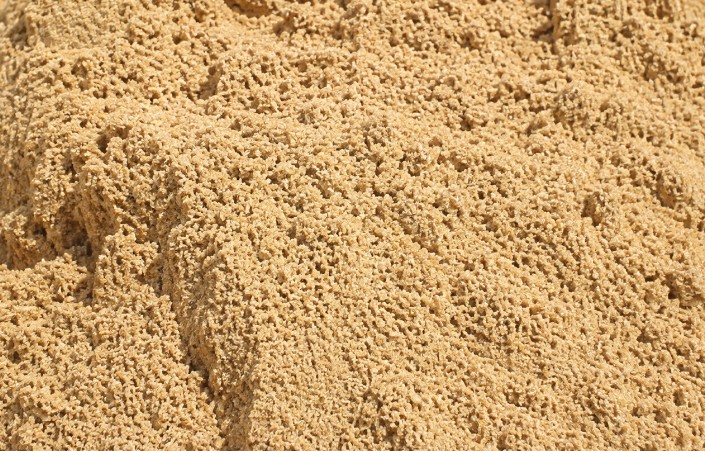
- What it is: A finer sand with smoother, more rounded particles.
- Best for: Mixing with cement to create bricklaying mortar and rendering.
- When to avoid: Creating a sub-base or mixing structural concrete. It simply lacks the strength and binding properties.
- Pro tip: Keep it dry before use. Wet building sand is a nightmare to measure accurately when mixing mortar.
Topsoil
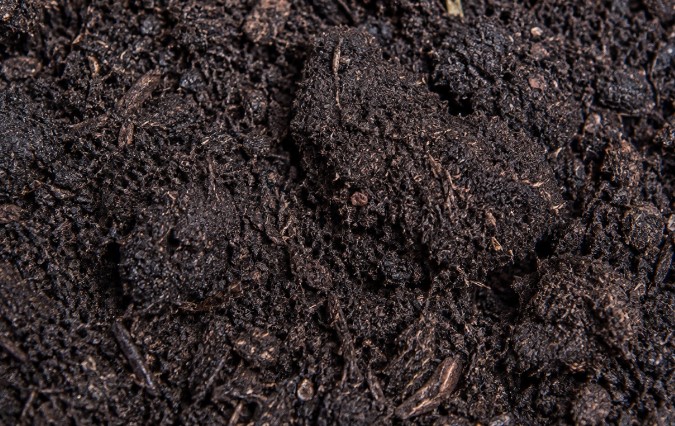
- What it is: The uppermost layer of soil, rich in organic matter and nutrients.
- Best for: Laying new turf, filling raised beds, and prepping garden borders.
- When to avoid: Using it to fill deep holes. It will sink and compress over time, leaving an uneven surface.
- Pro tip: We supply high-quality screened topsoil for lawns and borders. Give us a shout if you need advice on how much depth you require.
Recycled aggregates (recycled concrete/hardcore/crushed concrete/crushed stone)
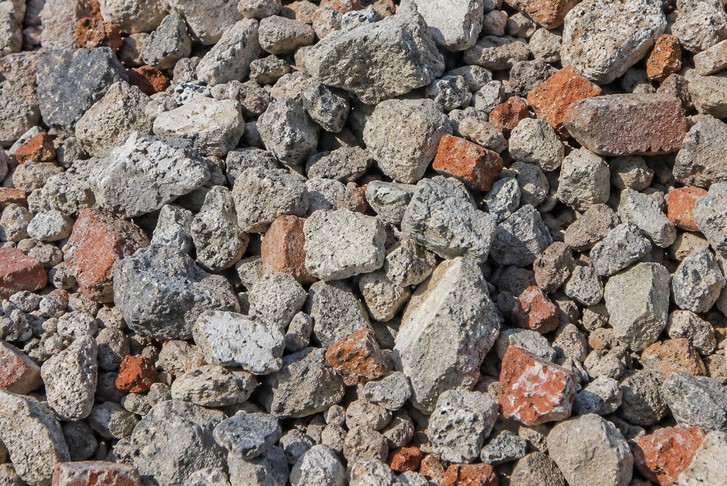
- What it is: Old concrete, brick, and stone that has been crushed and screened.
- Best for: An eco-friendly, cost-effective sub-base or bulk fill for larger projects.
- When to avoid: High-spec architectural projects that require guaranteed virgin stone properties.
- Pro tip: We process recycled aggregates and soils at our own Environmental Agency-approved recycling plant, meaning you get a great product while keeping waste out of landfill.
MOT type 1 explained (without the headache)
If you have spent more than five minutes researching patios, you have seen the phrase “MOT Type 1”. But what does it actually mean?
The “MOT” stands for the Ministry of Transport. Decades ago, they set the standard for the material used to build road sub-bases. While the Ministry has changed its name, the aggregate standard stuck.
Because it contains a mix of larger stones and fine dust, it fills its own voids. When you run a compactor over it, it binds into a solid, load-bearing surface that won’t shift under the weight of a car. Just remember to build it up in layers (around 50mm to 75mm at a time) and compact each layer individually.
If you are unsure about the volume of sub-base for patios or driveways, we can help. We supply both primary and recycled Type 1, and our grab lorries make delivery a breeze.
Ballast vs sharp sand: what’s the difference
People often mix these two up, which usually results in a panicked trip back to the builders merchant.
Ballast contains gravel. It is heavy, chunky, and designed to create tough concrete. Think foundations, shed bases, and securing heavy gate posts.
Sharp sand does not contain gravel. It is coarse and gritty, making it ideal for bedding in paving slabs or mixing a strong floor screed.
- Need a concrete base? Buy ballast.
- Need to lay patio slabs? Buy sharp sand.
How to choose the right aggregate for your project
Picking the right material is half the battle. Here is a quick breakdown to help you match the material to the job.
| Project | Best Material | Why it works |
| Driveway sub-base | MOT Type 1 | Compacts to a rock-solid, load-bearing surface. |
| Permeable driveway | Type 3 | Provides strength but allows rainwater to drain through. |
| Concrete footings | Ballast | Combined with cement, the stone and sand mix creates strong concrete. |
| Patio bedding | Sharp sand | The gritty texture holds slabs firmly in place. |
| Bricklaying mortar | Building sand | Smooth and pliable for neat, strong brick joints. |
| Lawn preparation | Screened topsoil | Nutrient-rich and free of large rocks to help turf root properly. |
How much do you need (the quick, not-too-mathy guide)
Figuring out quantities usually results in lots of head-scratching. To get a rough volume, you just need to multiply your project’s length by its width, and then by the depth (all in metres).
For example, a 5m long x 4m wide patio requiring a 0.1m (100mm) sub-base would be: 5 x 4 x 0.1 = 2 cubic metres.
Keep in mind that bulk aggregates are normally sold by the tonne, and the conversion rate depends on how heavy the specific material is. If you have your measurements ready, drop us a line. We can quickly calculate the tonnage you need so you don’t end up short (or with a mountain of leftover stone).
Delivery and access: the bit people forget until it’s too late
Ordering the right material is great, but getting it onto your site is another story. Access is the number one thing people overlook.
Narrow driveways, parked cars, tight corners, and overhead cables can all turn delivery day into a stressful event. That is where our fleet comes in. We operate grab vehicles and rigid HIAB vehicles, which means we don’t just tip a pile of stone onto your pavement. Our crane-assisted lifting allows us to grab or place materials exactly where you need them, lifting over low walls or fences to save you hours of wheelbarrowing.
Our drivers are polite, fully certified, and incredibly skilled at navigating tricky spaces around London and the eastern counties. Plus, every load is backed by our goods in transit insurance up to £100,000, giving you total peace of mind.
FAQs
What is MOT Type 1 used for?
It is the standard sub-base material for driveways, patios, paths, and roads. It provides a highly stable, flat surface for your top layer (like block paving or tarmac) to sit on.
What’s the difference between MOT Type 1 and hardcore?
MOT Type 1 is manufactured to a specific, certified grade of sizes to ensure perfect compaction. Hardcore is a more general term for crushed building waste. Hardcore is cheaper but less predictable, though graded recycled crushed concrete is a brilliant eco-friendly alternative to virgin Type 1.
Is sharp sand the same as building sand?
No. Sharp sand is coarse and gritty, ideal for laying paving and mixing screed. Building sand is fine and soft, making it perfect for bricklaying mortar.
How deep should MOT Type 1 be for a driveway or patio?
It depends on the ground conditions and what the surface will be used for. As a general rule, a patio sub-base is typically 100mm deep, while a standard residential driveway is usually 150mm to 200mm deep.
Do you supply for residential projects as well as the construction industry?
Yes, we supply materials for both residential projects and the construction industry. Whether you’re working on a small DIY project at home or large-scale construction projects, we provide a wide range of high-quality materials to meet your needs.
Our team is committed to offering flexible, reliable, and cost-effective solutions for projects of any size.
Can I use recycled aggregates for a sub-base?
Absolutely. High-quality recycled crushed concrete is an excellent, cost-effective sub-base. We supply plenty of it directly from our EA-approved recycling plant.
Do I need a grab lorry or can it be tipped?
If you have plenty of clear space, tipping is fine. However, a grab lorry is ideal if you need the material lifted over a wall, placed in a specific spot, or if you also need site waste removed at the same time.
What should I do if I’ve got waste hardcore or concrete to get rid of?
We operate a free tip for hardcore and concrete at our recycling plant, but you must contact us prior to tipping as we are limited on what we can take, and a waste carrier’s licence is required.
Let’s get your aggregates sorted
Navigating the world of aggregates doesn’t have to be a headache. Whether you need a few tonnes of sharp sand for a weekend patio project, or bulk MOT Type 1 for a commercial site, getting the right material delivered securely makes all the difference.
If you tell us what you’re building and roughly where you are located, we will help you pick the right material and get it delivered without the fuss.
Ready to get started? Give Mason Trucking a call, email us or fill out our website contact form for a no-obligation quote.